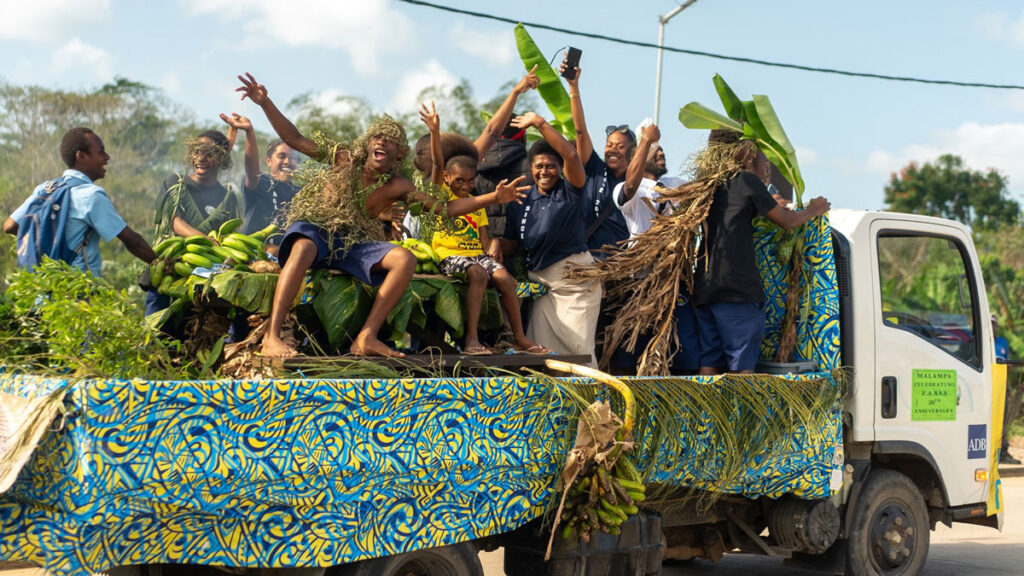
Exploring the Education Landscape of Vanuatu Schools
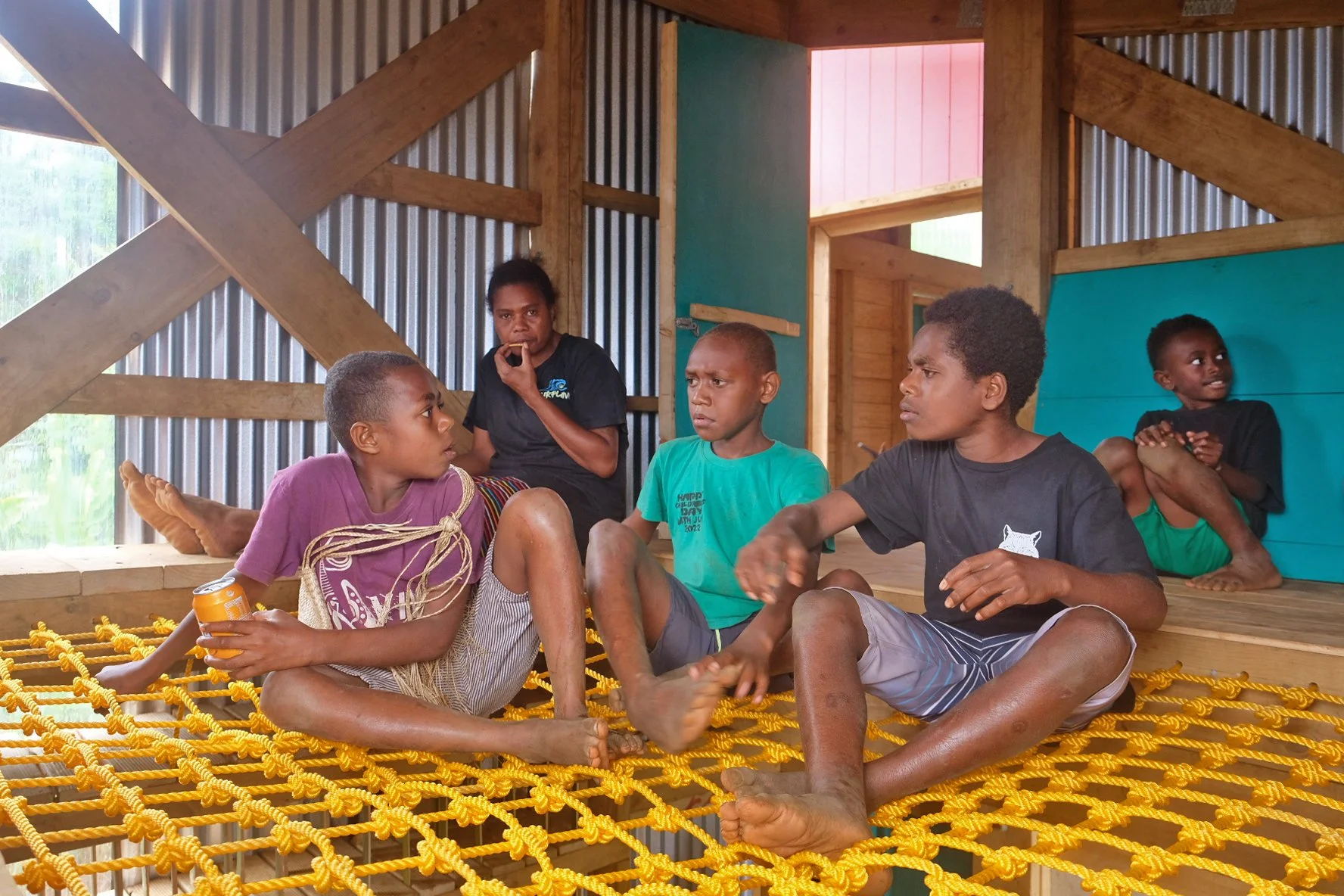
Education in Vanuatu is a fundamental pillar of national development, impacting the lives of many youth across the islands. This beautiful archipelago, located in the South Pacific Ocean, has a rich cultural heritage and a diverse educational landscape, embodied by its schools. Numerous vanuatu schools pacific education projects have emerged to enhance educational opportunities for its communities, acknowledging the vital role of education in achieving sustainable development.
The Structure of Schools in Vanuatu
The education system in Vanuatu is organized into three levels: primary, secondary, and tertiary education. Primary education is the foundational stage, encompassing grades 1 through 6. Students typically begin their formal education at the age of six, and upon completion, they can transition to secondary education, which includes grades 7 through 12. Higher education institutions offer various vocational and academic programs for students seeking advanced learning opportunities.
Primary Education in Vanuatu
Primary education is crucial for children in Vanuatu, as it lays the groundwork for further studies and personal development. In recent years, the government has made strides in improving access to primary education, especially in rural areas. However, challenges persist in terms of infrastructure, teacher training, and resource availability. Many schools are located in remote areas, making it difficult for students to attend regularly, especially during adverse weather conditions.
Secondary Education in Vanuatu
Secondary education serves a pivotal role in Vanuatu’s educational system, providing students with the opportunity to gain essential life skills and knowledge for future endeavors. However, the transition from primary to secondary education is not always seamless, especially for students from less privileged backgrounds. The government, alongside various educational projects, is focused on enhancing the quality and accessibility of secondary education, acknowledging its significance in fostering human capital.
The Role of Tertiary Institutions
Higher education in Vanuatu is primarily offered through the University of the South Pacific (USP) and local institutions that provide vocational training. These institutions play a crucial role in empowering individuals with the skills needed to thrive in a rapidly changing job market. There is a growing recognition of the importance of technical and vocational education and training (TVET) to equip young people with practical skills.
Challenges Facing Vanuatu Schools
While there have been significant improvements in Vanuatu’s education system, several challenges remain. Among these are issues related to infrastructure, teacher shortages, and resource limitations. Many schools lack adequate facilities, such as classrooms, libraries, and access to technology, which hinders the learning process. Moreover, the availability of trained teachers is inconsistent, particularly in rural areas where qualified educators are often reluctant to work due to remote locations.

Government Efforts and Educational Reforms
The Vanuatu government has made efforts to reform its education system through various policies designed to promote equity and quality in education. Initiatives include the development of a national curriculum that reflects the cultural diversity of the islands and the introduction of training programs for teachers. Additionally, partnerships with international organizations and NGOs have facilitated the implementation of educational projects aimed at improving infrastructure and resources.
Community Involvement and Support
Community involvement is crucial in the education landscape of Vanuatu. Many schools rely on the support of local communities to maintain facilities and organize activities. Parents and community members often participate in decision-making processes regarding school management, leading to greater accountability and engagement. This community-driven approach helps foster a sense of ownership and pride in local educational institutions.
Innovative Educational Practices
In response to the challenges faced, many schools in Vanuatu are adopting innovative practices aimed at enhancing teaching and learning. For instance, some schools are integrating traditional knowledge and practices into their curricula, ensuring that students remain connected to their cultural heritage. Additionally, the use of technology in the classroom is gradually increasing, linking students to a broader array of resources and learning opportunities.
Future Prospects for Education in Vanuatu
The future of Vanuatu’s education system holds promise as ongoing reforms and initiatives continue to evolve. The focus on inclusive education and the integration of technology are expected to bridge gaps and open new avenues for students. However, sustained commitment from both the government and community members will be essential in tackling existing challenges and ensuring that all children have access to quality education.
Conclusion
In summary, the educational landscape of Vanuatu encompasses a vibrant mix of challenges and opportunities. Schools are central to the nation’s development, serving as sites of learning, cultural preservation, and community empowerment. Continued investment in education and innovative approaches will be crucial in developing a skilled and knowledgeable workforce capable of contributing to the sustainable growth of Vanuatu. By fostering partnerships and supporting ongoing projects, the trajectory of education in Vanuatu can lead to brighter futures for its youth.